


Thursday, 4 December 2025
E-Invoicing in Ireland: What Businesses Need to Know
E-invoicing is becoming essential for businesses in Ireland. It allows companies to send and receive invoices digitally. This streamlines accounting processes a...
E-invoicing is becoming essential for businesses in Ireland. It allows companies to send and receive invoices digitally. This streamlines accounting processes and reduces errors. Businesses that adopt e-invoicing early can save time and improve compliance. Our bookkeeping services support companies in setting up electronic invoicing systems and meeting Revenue requirements. This article explains what e-invoicing in Ireland is, upcoming rules, and practical steps for businesses.
What is E-Invoicing?
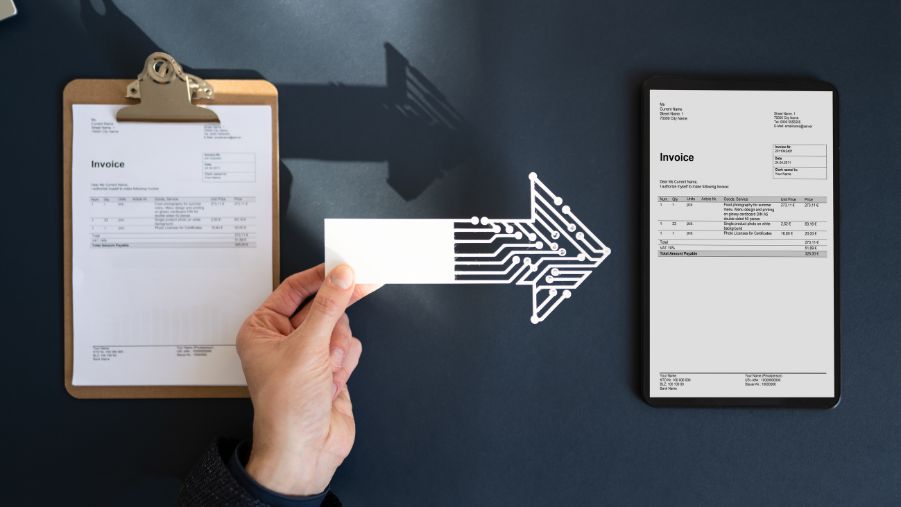
Electronic Invoicing means sending invoices in a structured digital format. Unlike paper invoices, these can be automatically processed by accounting systems. An electronic invoice reduces manual entry, errors, and administrative burden. Using an electronic invoicing system helps maintain clear records and simplifies audits. This also speeds up communication with customers and suppliers. This can improve cash flow and make financial planning easier.
Revenue and ViDA: What Businesses Need to Know
During Budget 2026, Minister Donohoe confirmed that Revenue will gradually introduce e-invoicing in Ireland. In addition, real-time reporting under the EU VAT in the Digital Age (ViDA) initiative.
The phased rollout is as follows:
Phase 1 (November 2028):
Large VAT-registered businesses must use mandatory e-invoicing for domestic B2B transactions. They also need to provide real-time reporting. All businesses must be able to receive e-invoices in a structured format.Phase 2 (November 2029):
Mandatory digital invoicing extends to all VAT-registered businesses that trade with other EU businesses.
Phase 3 (July 2030):
All cross-border EU B2B transactions must comply with online invoicing and real-time reporting. This ensures access to zero percent VAT arrangements. Under ViDA, suppliers must issue e-invoices within ten days of the transaction. They also need to report specified data digitally to Revenue. The system removes the need for monthly VIES returns, reducing administration. Revenue will provide support and engagement opportunities throughout the transition.
For more details, see Revenue’s ViDA guidance. 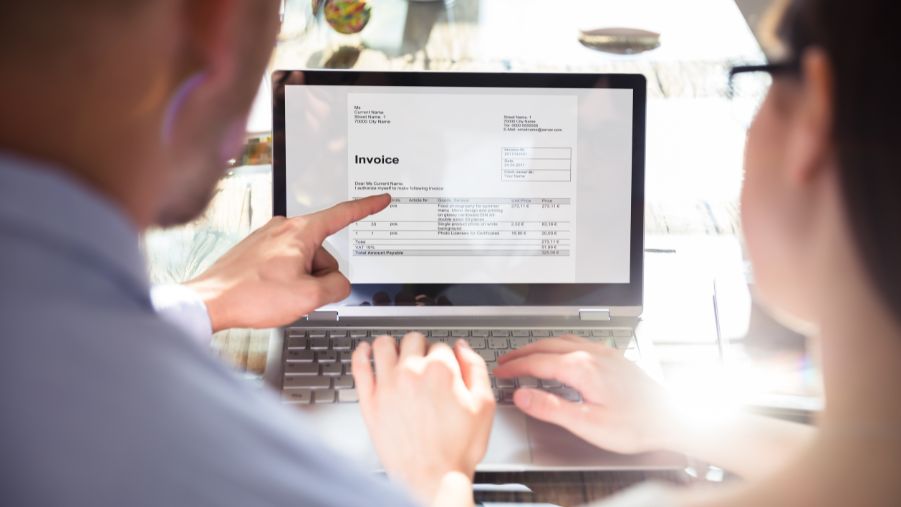
The Benefits of Digital Invoicing
Adopting online invoicing and structured electronic invoicing systems brings several advantages:
- Reduces manual processing and errors.
- Speeds up invoice approval and payments.
- Improves compliance with Revenue rules.
- Provides clear audit trails and financial records.
It also aligns Irish businesses with international standards. This makes cross-border transactions simpler. It helps companies stay competitive in the EU single market.
Practical Steps for Businesses
Businesses can prepare for the change by:
- Reviewing current invoicing processes and identifying areas to digitise.
- Choosing an electronic system that meets Revenue and ViDA standards.
- Training staff on system use and compliance procedures.
- Keeping accurate records of all electronic invoices and reporting data.
Taking these steps ensures a smooth transition and ongoing compliance.
E-invoicing is set to transform Irish business accounting in the coming years. Using an electronic invoicing system increases efficiency and reduces errors. It also helps ensure compliance with ViDA and Revenue rules. We provide bookkeeping services to help businesses use digital invoicing and stay compliant. Explore our website to learn how we can support your transition to e-invoicing in Ireland. We'll help prepare your business for the phased rollout.